
Contents:
- The History Behind Tuna and Sardines as European Seafood Essentials
- Why Tuna and Sardines Dominate European Seafood Cuisine
- Nutritional Density at Low Cost
- The Sustainability Case for Canned Tuna and Sardines
- Small Fish, Low Environmental Impact
- European Tuna and Sardines: Quality Tiers Explained
- Entry Level: Reliable Everyday Eating ($2–$4 per tin)
- Mid Level: Noticeable Quality Step ($4–$9 per tin)
- Premium: Special Occasion Eating ($9–$20 per tin)
- How to Use Canned Tuna and Sardines in European Cooking
- Classic European Preparations
- Eastern European Applications
- Real Examples: Sardines and Tuna Across European Cuisine
- Frequently Asked Questions
- Are tuna and sardines actually budget-friendly or have prices risen?
- Can children eat canned European sardines and tuna safely?
- How do I store canned sardines and tuna at home?
- Is the fish in premium European conservas actually different from regular canned fish?
- What’s the best canned sardine or tuna for someone trying them for the first time?
Quick Answer: Tuna and sardines became European seafood staples because they combine exceptional nutritional density, long shelf life, year-round availability, and a price-per-gram ratio that no fresh fish can match. In their premium European forms — Spanish ventresca, Portuguese aged sardines — they also rival restaurant-quality ingredients in flavor and complexity.
You’re standing in a supermarket at 7pm on a Tuesday, tired, and trying to figure out what to cook for dinner that’s fast, affordable, nutritious, and not boring. You grab a tin of sardines almost automatically — not because it’s your first choice, but because it’s reliable. Then you open the tin and remember why you keep coming back: the smell of good olive oil, the firm-but-yielding texture, the clean ocean flavor that makes simple toast with a squeeze of lemon taste like something you’d order at a café. Tuna and sardines are European seafood staples not because they’re the only option, but because they deliver on every criterion that matters simultaneously — and at a cost that makes the math almost embarrassing.
The History Behind Tuna and Sardines as European Seafood Essentials
Sardines have been a staple of Mediterranean and Atlantic European diet since at least Roman times — “garum,” the fermented fish sauce that Romans used as a universal condiment, was often made from sardines. The shift to canned sardines began in the 1820s in Brittany, France, where small family canneries developed the heat-sealing process that made preserved fish transportable and shelf-stable.
Portugal took the sardine industry and made it an identity. By the early 20th century, Portugal had over 600 active fish canneries employing a significant portion of the coastal workforce. The country’s geographic position on the Atlantic gave it access to some of the world’s finest sardine grounds, and the canning industry built export networks that reached South America, Africa, and North America by mid-century. The product quality that developed during this period — careful seasonal canning, quality olive oil, artisanal hand-packing — became the global reference standard.
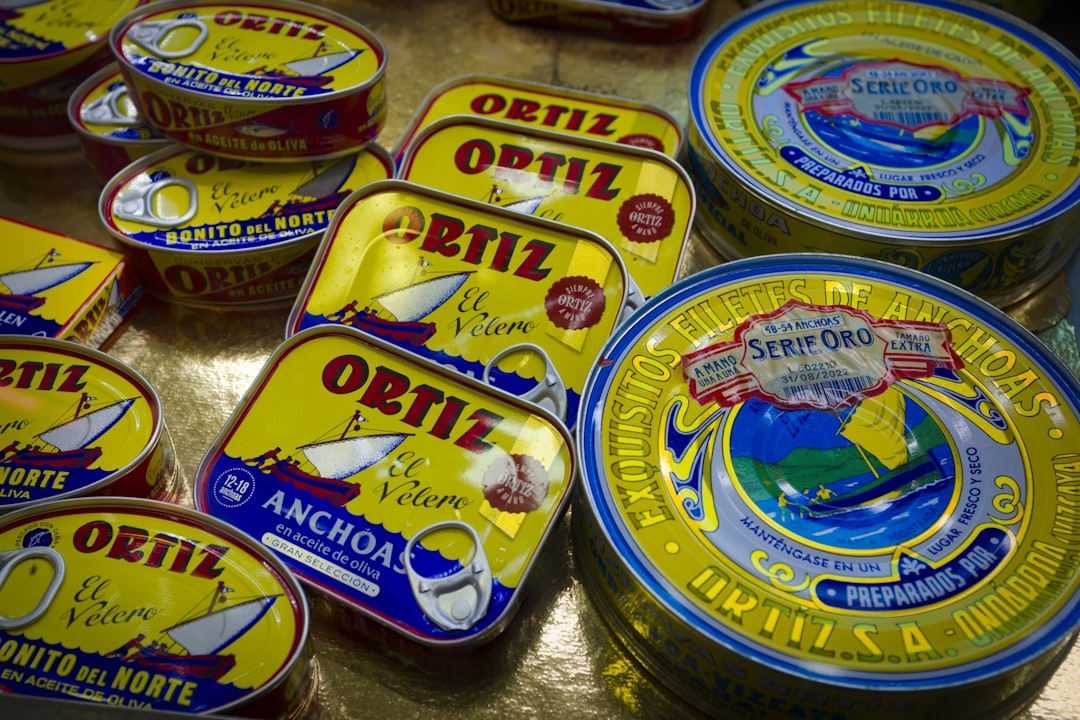
Tuna’s European canned history is more recent. Spanish Basque fishermen developed a tradition of preserving bonito del norte (albacore tuna) in the late 19th century, using olive oil from local groves. The resulting product — firm, flavorful, deeply satisfying — became a pantry staple across Spain and gradually spread to the rest of Europe as canned food culture developed through the 20th century.
Why Tuna and Sardines Dominate European Seafood Cuisine
Nutritional Density at Low Cost
No fresh fish product at a comparable price point delivers the nutritional profile of quality canned sardines or tuna. Consider what a 100g serving of European canned sardines provides:
- Protein: 21–24g (complete protein with all essential amino acids)
- Omega-3 fatty acids (EPA + DHA): 1.5–2.5g — more than most fish oil supplements
- Calcium: 350–380mg (from the soft, edible bones) — comparable to a glass of milk
- Vitamin D: 12–15μg — among the highest natural food sources available
- Vitamin B12: 7–9μg — over 3× the recommended daily intake
Cost for this nutritional package: approximately $2–$4 for a 120g tin of quality European sardines. The same protein and omega-3 content from fresh salmon would cost 3–5× more. For budget-conscious households — the primary audience for sardines and tuna historically — this ratio explains everything.
What the Pros Know: The oil in a quality tin of sardines or tuna isn’t waste — it’s a cooking ingredient. After months of storage, the olive oil has absorbed the fish’s proteins, fats, and aromatic compounds. Chefs use it to dress salads, finish pasta, or build vinaigrettes. Draining and discarding it is equivalent to throwing away a tablespoon of very good flavored olive oil. Pour it into whatever you’re making with the fish, or save it for the next dish.
The Sustainability Case for Canned Tuna and Sardines
Sustainability in seafood is a real and complicated topic, and canned European tuna and sardines sit in a more favorable position than most people assume.
Sardines are among the most sustainable fish available globally. They reproduce quickly, mature at 1–2 years, travel in massive schools that support efficient net fishing with low bycatch, and their populations — when properly managed — recover rapidly from fishing pressure. The Marine Stewardship Council (MSC) has certified several European sardine fisheries as sustainable, and EU Common Fisheries Policy quotas have stabilized Atlantic sardine stocks after overfishing concerns in the early 2010s.
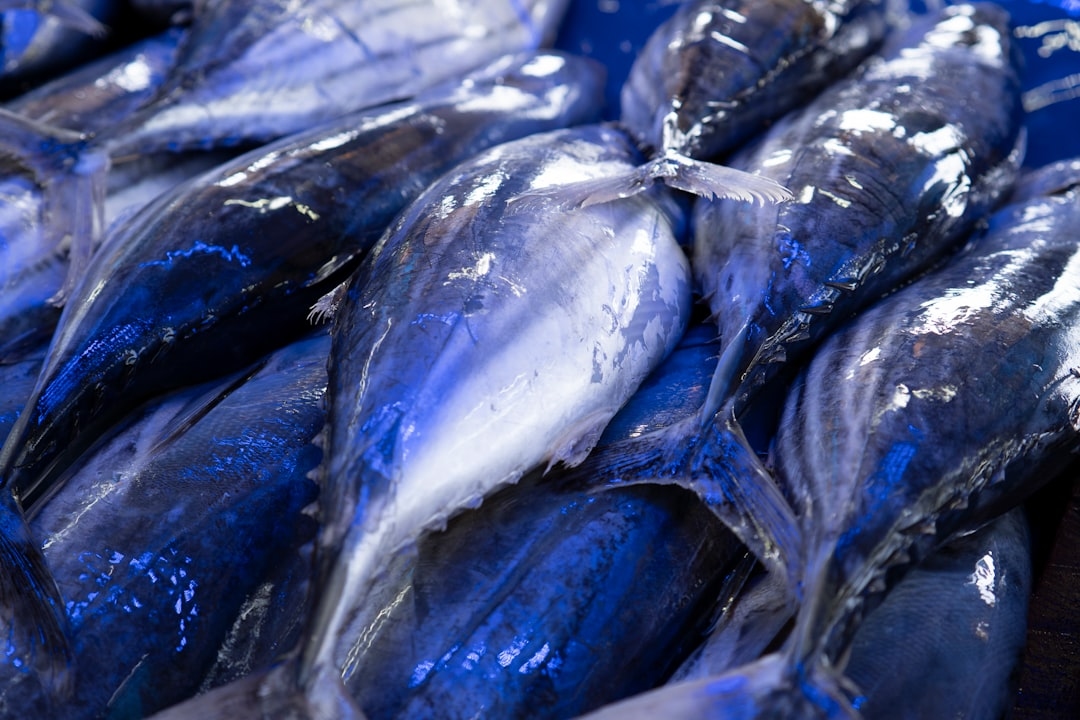
Tuna sustainability varies dramatically by species. Skipjack tuna (the most commonly canned variety globally) has stable populations and is generally considered a sustainable choice. Albacore (bonito del norte) from Pacific longline fisheries has faced criticism; albacore caught by pole-and-line methods in the Atlantic and Pacific is a more sustainable option. Bluefin tuna, which appears in premium Spanish ventresca conservas, is an endangered species and its responsible consumption requires verifying that the product comes from a certified and legally caught source.
The practical takeaway: buying Imported Seafood with MSC certification, pole-and-line tuna labeling, or from producers who publish their sourcing transparently is the best approach to eating canned tuna and sardines sustainably. These labels are increasingly common on quality European products and meaningfully reduce the environmental cost of the purchase.
Small Fish, Low Environmental Impact
Sardines occupy a low trophic level — they feed primarily on plankton rather than other fish. This means producing 1kg of sardines requires dramatically less marine ecosystem input than producing 1kg of salmon (which eats other fish) or large tuna (which eats smaller fish that eat smaller fish, etc.). From a systems perspective, sardines are among the most ecologically efficient sources of animal protein available. This is why environmental organizations consistently rank sardines as a top sustainable seafood recommendation.
European Tuna and Sardines: Quality Tiers Explained
Entry Level: Reliable Everyday Eating ($2–$4 per tin)
Commercial-grade European sardines and tuna in this range are meaningfully better than non-European equivalents at the same price. German, Polish, and basic Portuguese brands in sunflower or basic olive oil represent honest, nutritious everyday protein. Flavor complexity is limited but the nutritional profile is identical to premium alternatives. For households consuming canned fish regularly as a dietary staple, this tier delivers outstanding value.
Mid Level: Noticeable Quality Step ($4–$9 per tin)
Portuguese sardines in extra-virgin olive oil, Spanish mussels, tuna in quality oil from named producers. At this tier, the flavor difference from entry-level is readily apparent without any particular palate training. The olive oil in the tin is itself a quality ingredient; the fish has been processed with more care; and the eating experience is genuinely pleasurable rather than merely nutritious.
Premium: Special Occasion Eating ($9–$20 per tin)
Spanish ventresca tuna belly, aged Portuguese sardines (2–5 years), artisanal hand-packed conservas from named fisheries. These products are luxuries by any measure. The flavor is exceptional. Ventresca in particular — the belly cut of albacore or bluefin tuna, packed in extra-virgin olive oil — has a texture and richness that justifies eating it alone with good bread rather than as a recipe ingredient.
How to Use Canned Tuna and Sardines in European Cooking
Classic European Preparations
The simplest preparations remain the best for quality product. Sardines on toast — lightly toasted sourdough or rye bread, a smear of good butter or mustard, a sardine or two from the tin, a squeeze of lemon and a grind of black pepper — is a complete meal that takes 90 seconds to prepare and is genuinely satisfying. This is everyday food in Portugal, and it requires nothing more than good ingredients.
Tuna in pasta sauce: Italian-style pasta con tonno is built from canned tuna, olive oil, garlic, canned tomatoes, and capers. The quality of the tuna matters enormously — cheap tuna in water creates a dry, bland sauce; good tuna in olive oil creates something that tastes like a restaurant dish. The recipe is unchanged; the ingredient is everything.
Eastern European Applications
In American and broader Eastern European cooking, canned sardines and sprats appear in different contexts: layered salads (Baltic sprats in the classic “Shuba” — herring under fur coat — are sometimes substituted with sprats for a different flavor register), spread on black bread with pickled vegetables, or combined with boiled eggs and sour cream in simple appetizers. The budget case is compelling for American households: a tin of sardines provides protein for 2–3 people at a cost significantly lower than equivalent fresh fish from a market.
For American buyers seeking a reliable source of imported European fish products — from entry-level Baltic sprats to premium Spanish conservas — visiting an ethnic grocery platform that specializes in European imports provides access to a range unavailable in standard supermarkets.
Real Examples: Sardines and Tuna Across European Cuisine
Portugal’s “Festival do Marisco” and the Sardine Festival in Lisbon each June draw hundreds of thousands of visitors specifically to eat fresh-grilled and canned sardines. The cultural significance is real: sardines are a national identity food. A Portuguese family’s pantry without at least a dozen tins of sardines would be considered incomplete.
In Spain’s Basque country, the txokos — private gastronomic societies where serious cooks compete over traditional recipes — regularly feature premium conservas as centerpiece dishes, not accompaniments. Ventresca tuna served at room temperature with a drizzle of Arbequina olive oil and Maldon salt is considered a complete, worthy dish in this context. No additional ingredients needed.
In the Baltic states, smoked sprats on rye bread with butter is a daily breakfast food for millions of people. It’s not a special occasion item; it’s Tuesday morning. The quality and freshness expectations are correspondingly high — Latvian consumers can immediately identify substandard sprats from the texture and smoke character, and they don’t buy them twice.
Frequently Asked Questions
Are tuna and sardines actually budget-friendly or have prices risen?
Entry-level European canned tuna and sardines remain among the most affordable quality protein sources available. In the US in 2026, a 120–160g tin of decent European sardines costs $2–$4, providing protein for 1–2 people. Prices have risen approximately 15–25% since 2022 due to shipping costs and raw material pricing, but the category remains excellent value relative to fresh fish or meat alternatives.
Can children eat canned European sardines and tuna safely?
Yes, with appropriate considerations. Sardines and small canned fish are excellent for children — high in calcium, omega-3s, and vitamin D. For tuna, limit consumption to 2–3 times per week for children under 12 due to mercury accumulation in larger tuna species. Albacore and skipjack (the most common canned varieties) have lower mercury than fresh bluefin or swordfish but still warrant moderation for young children.
How do I store canned sardines and tuna at home?
Unopened tins: store at cool room temperature, away from direct light, below 25°C. No refrigeration needed. Opened tins: transfer contents to a glass or ceramic container, refrigerate, and consume within 2–3 days. Storing in the opened tin is not recommended as the cut metal edge can affect flavor.
Is the fish in premium European conservas actually different from regular canned fish?
Yes, in measurable ways. Premium European conservas use peak-season fish (higher fat content, better flavor), quality olive oil (contributes to aging), hand-packing (better texture and piece integrity), and often longer aging periods (more complex flavor). A blind tasting between entry-level and premium canned sardines produces consistent preference for the premium product across tasters with no prior experience of either.
What’s the best canned sardine or tuna for someone trying them for the first time?
For sardines: a mid-tier Portuguese brand in extra-virgin olive oil, consumed at room temperature on good bread. For tuna: Spanish albacore (bonito del norte) in olive oil, eaten simply with lemon juice and salt. Both of these give a clear sense of what quality European canned seafood tastes like without requiring a significant investment or sophisticated preparation.